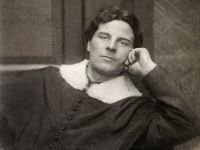
A. Hugh Fisher

Biographical details

A. Hugh Fisher Through India and Burmah with pen and brush (1911)

Jaipur was stricken by plague: the number of deaths had gone on increasing and the living were thrown into a state of bewilderment. The Rajput princesses had fled in panic to the old palace of Amber and strangers were, for the time, asked not to visit that ancient capital. The dinner-table that evening, spread in the open courtyard of the hotel, became heaped with moths attracted by the lamps and dying through their ardour, and it almost seemed as if some spiritual light were attracting in the same way human souls to leave their bodies tenantless.
Source: Gutenberg

A. Hugh Fisher Through India and Burmah with pen and brush (1911)

We were going to the famous Golden Temple and approached it by the bazaar of the brass-workers, where, between lines of tall houses, the sky dwindled to a narrow strip of blue. Far down the bazaar, past the Madhogi Hindoo Temple, a crowd of people huddled together were hurrying along, as if with a common object, under blue smoke which veiled them like a filmy gauze. These, Mahmud told me, were a band of pilgrims making a round of the Benares shrines, and I saw many such groups of native people going about with a leader like a Cook's conducted party.
Source: Gutenberg

A. Hugh Fisher Through India and Burmah with pen and brush (1911)

There is not in the recorded history of any people a tragedy at once so terrible and so inimitably sad as that of the Cawnpore massacres: and on emerging from that small enclosed plot with its too ponderous angel, there can hardly be an Englishman who does not carry in his face the expression of a deep emotion. There are many churches in India, but there is no shrine so sacred to her rulers as the Cawnpore Well.
Source: Gutenberg

Get perspective with Kwize: daily news enlightened by great literature