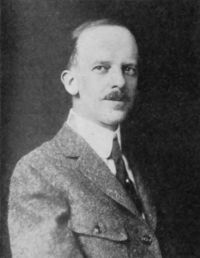
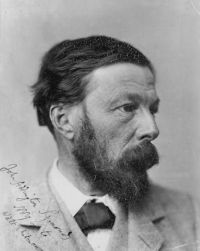
The concept of an "outlaw" refers to an individual who operates outside the framework of societal or legal standards, often representing rebellion, moral complexity, or defiance of authority. Writers such as Cole Younger, who viewed outlawry as a mix of patriotism and rule-breaking, and H. B. Marriott Watson, who portrayed the outlaw as a fugitive weighed down by social rejection, underscore the theme’s dual nature.
Spencer Dair focused on the outlaw’s courage, while O. Henry examined their frustration with a judicial system composed of ex-criminals. These differing viewpoints, ranging from Zane Grey’s portrayal of outlaws as doomed individuals to Paul Ellsworth Triem’s claim of their intellectual independence, demonstrate the outlaw as a complex emblem of resistance, ethical struggle, and the tenuous boundary between justice and vengeance.
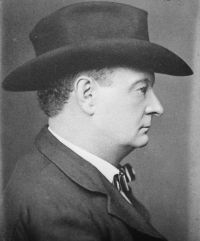 Cole Younger,
The Story of Cole Younger, by Himself
Cole Younger,
The Story of Cole Younger, by Himself