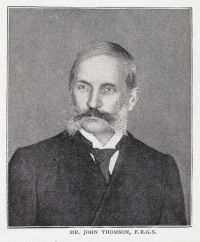
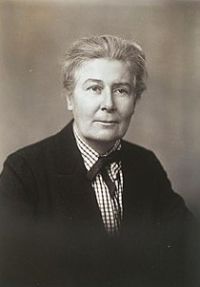
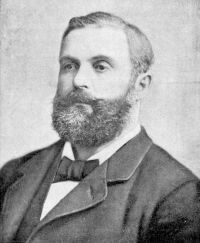
Beijing, the capital of China, is a global metropolis renowned for its historical depth, cultural wealth, and modern vitality. As a political, economic, and cultural center, it merges ancient traditions with contemporary progress, exemplified by its iconic landmarks such as the Forbidden City and the modern Beijing CBD. Authors such as John Thomson and Ellen Mary Hayes Peck have vividly contrasted its traditional hutong neighborhoods and imperial architecture with the emergence of modern infrastructure, while Isaac Taylor Headland emphasized its role as a treasury of Chinese craftsmanship and imperial heritage.
Meanwhile, John Stuart Thomson observed its evolving identity as a crossroads of Mongolian, Manchu, and Han influences. These perspectives collectively highlight Beijing’s unique duality: a city where the past and present coexist, shaping its enduring significance as a symbol of China’s historical continuity and global ambitions.
 Ronald Reagan,
Presidential Radio Address
(1984)
Ronald Reagan,
Presidential Radio Address
(1984)