Manchus

Definition and stakes

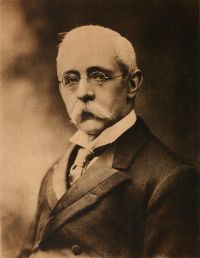
Mary Knight,  Red blight (1951)

“ Manchuria is the home of the Manchus who conquered China and ruled it until 1911. It is the Prize, the bone of contention over which the bloodiest battles have been fought, and the one area in all Asia without which neither the Communists nor the Nationalists could hope to become a world power. ”
Source: Gutenberg

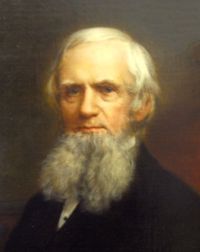
Portrait of John Russell Bartlett John Russell Bartlett,  The Progress of Ethnology

“ The Manchus are now the dominant race, but some of the tribes near the sea and in Taraka island, bear no tributary relations to them, if indeed they are much acquainted. Since the conquest of China, the Manchus have gone on steadily improving this part of their possessions by stationing agricultural troops at the principal ports of observation, and collecting the hunters around these points as much as possible. Criminals are also constantly banished there, who carry with them their arts, and by their industry both maintain themselves and set an example to the nomads. ”
Source: Gutenberg

John Stuart Thomson,  China Revolutionized

“ Doctor A. Wylie translated the Manchu grammar and the Tsing Wen Keung. These are all British writers. Professor I. Zacharoff compiled a Russian-Manchu dictionary and wrote on the Manchus in 1875, and Von Mollendorff composed a Manchu grammar. It is possible that in exile from the throne the Manchus may revive the little literature and language that they possess; or, champion intriguers that they and their race are, Prince Tuan, Prince Su, the Tsai Princes, General Yin Tchang and others may continue to plot from Jehol, Kalgan, Urga, Mukden, Dalny and other places of exile. ”
Source: Gutenberg

Get perspective with Kwize: daily news enlightened by great literature