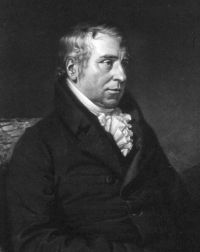
Patrimony, the inherited legacy of property, values, or cultural heritage passed through generations, has long been a central theme in literature, symbolizing both material inheritance and moral responsibility. Authors such as Robert Southey celebrated its endurance as a testament to steadfastness and virtue, while anonymous poets contrasted the burdens of wealth with the virtues of humility.
Bulwer Lytton framed it as a redeemable honor, linked to personal integrity, and Payne Erskine highlighted its spiritual aspects, portraying it as a trust in moral and intellectual strength. From tangible estates to intangible virtues, patrimony emerges as a complex concept, reflecting societal values and individual duty across literary traditions.
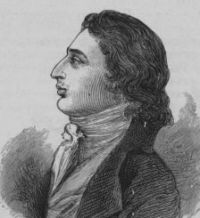 Robert Southey,
The doctor, &c., vol. 2 (of 7)
(1834)
Robert Southey,
The doctor, &c., vol. 2 (of 7)
(1834)