Summary

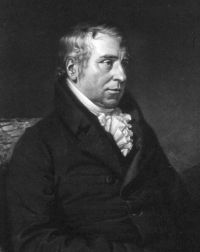
Portrait of John Haslam John Haslam On the Nature of Thought

The will possesses no power to unite or separate Ideas; they adhere to, and remain the unalterable deposits of perception. Let it next be asked, what human purpose can be effected by their sole agency? On those solemn occasions when we address our prayers to the Divine Source, can these effusions of grateful feeling, and humble petition, be conveyed in phantasms? Does not the lamenting and repentant sinner emphatically articulate his anxious supplications? Can any human contract be concluded by mere Ideas, or any system of jurisprudence be established on such visionary basis?
Source: Gutenberg

Portrait of John Haslam John Haslam On the Nature of Thought

When we reflect, that from our infancy to the natural decline of our intellectual powers, we are employed, during our waking hours, in the exercise of language; [8] —by conversation, often desultory, where we range through a variety of topics, as the bird sports from branch to twig; to the more deliberate act of composition, where the mind enduringly broods on the subject;—or when we read, and attentively consider the thoughts of others:—these occupations contribute to augment our vocabulary, and fix the meaning of the words we employ.
Source: Gutenberg

Portrait of John Haslam John Haslam On the Nature of Thought

The fact, that every word possesses a distinct meaning, appears to constitute one of the foundations of language: and it is impossible to conceive that any word, in itself completely insignificant, can impart signification to others; that which it does not contain cannot be communicated. The reservation contained in the word often, implies that some words really are significant; but no directions are given how to discover, and select from the copious vocabulary of our language, such as are impregnated with meaning, in order to expunge those that are insignificant.
Source: Gutenberg

Get perspective with Kwize: daily news enlightened by great literature