John Stuart Blackie

Biographical details

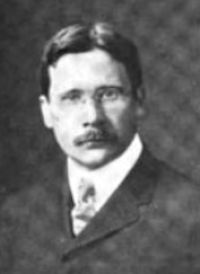
Portrait of John Stuart Blackie John Stuart Blackie,  Four Phases of Morals: Socrates…

“ Wisdom requires calm reflection; but the streets are full of hurry and bustle. Aristotle had a serene contempt for the multitude, and the multitude have an instinctive aversion to Aristotle. When you bring a multitude of men together to be harangued, violent and extreme opinions pronounced in the strongest language are apt to be the most popular. A one-sided view taxes thought less; a one-sided speech flatters an ignorant audience, who are capable only of one idea—at least only of one at a time—and who delight to hug themselves in the fancy that there is no other idea in the universe. ”
Source: Gutenberg

Portrait of John Stuart Blackie John Stuart Blackie,  What Does History Teach?

“ The doctrine of Aristotle, and the teaching of history that all extremes are wrong, is ever and ever repeated to passion-spurred mortals, and ever and ever forgotten. In the green ardour of our worship we make an idol of our virtue; the strong lines of the particular excellence which we admire are stretched into a caricature; our sublime, severed from all root of soundness, reels over into the ridiculous; we revel and riot and get into an intoxicated excitement with the fruit of our own fancy ”
Source: Gutenberg

Portrait of John Stuart Blackie John Stuart Blackie,  Four Phases of Morals: Socrates…

“ How can you say this, O Hippias, when you perceive that I am continually employed in doing nothing but bringing to light my notions on right and wrong? In what discourse did you bring this to light, O Socrates? If not in a set discourse, replied the philosopher, certainly by actions; or do you not think that a deed is a much more effective way of declaring a man’s moral principles than a word? More effective unquestionably; for of those who say what is just many do what is unjust; but if a man’s actions are just there is no injustice in him. ”
Source: Gutenberg

Get perspective with Kwize: daily news enlightened by great literature