Transcendentalism

Definition and stakes

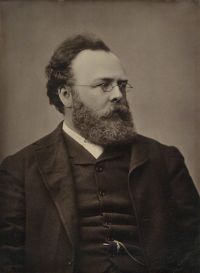
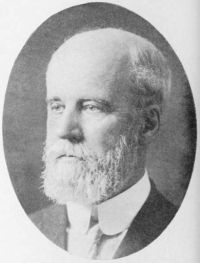
Portrait of Ralph Waldo Emerson Ralph Waldo Emerson,  The Transcendentalist (1842)

“ Shall we say, then, that Transcendentalism is the Saturnalia or excess of Faith; the presentiment of a faith proper to man in his integrity, excessive only when his imperfect obedience hinders the satisfaction of his wish. Nature is transcendental, exists primarily, necessarily, ever works and advances, yet takes no thought for the morrow. ”
Source: Wikisource

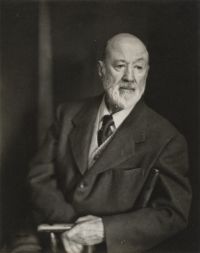
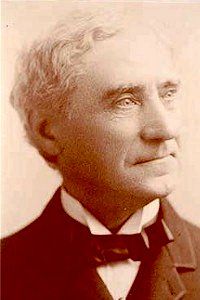
Portrait of Octavius Brooks Frothingham Octavius Brooks Frothingham,  Transcendentalism in New England…

“ Transcendentalism relies on those ideas in the mind which are laws in the life. Pantheism is said to sink man and nature in God; Materialism to sink God and man in nature, and Transcendentalism to sink God and nature in man. But the Transcendentalist at least is belied and put in jail by the definition which is so neat at the expense of truth. He made consciousness, not sense, the ground of truth; and in the present devotion to physical science, and turn of philosophy to build the universe on foundations of matter, we need to vindicate and reassert his promise. ”
Source: Gutenberg

Julia Seton,  Freedom Talks No. II

“ Transcendentalism is a state of consciousness and man evolves into it out of the natural states of his own mind. No one is to blame that he is, or is not, a transcendentalist. He becomes one not alone because he wills to become, but also because he is one with the divine law of creation and the God-consciousness within him pushes him on through one state of unfoldment to another.
There are two expressions of universal and finite mind, one is the objective, the revealed, the apparent, and one is the subjective, the concealed, the absolute.
”
Source: Gutenberg

Get perspective with Kwize: daily news enlightened by great literature