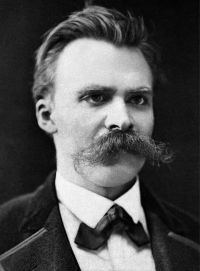
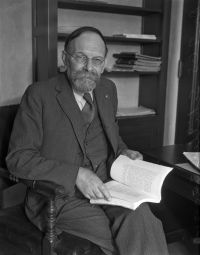
Friedrich Wilhelm Nietzsche (1844–1900), a German philosopher and cultural critic, transformed modern thought through his critiques of religion, ethics, and truth. His writings, combining aphorisms, poetry, and polemics, introduced ideas such as the Übermensch and the will to power, questioning conventional values.
Authors like Daniel Halévy portrayed Nietzsche’s transition from a visionary to a troubled individual, while his own works, such as The Use and Abuse of History for Life, underscored truth as a judicial force surpassing personal self-interest. Scholars emphasize his lasting impact on existentialism and postmodernism, portraying him as a prophet who reshaped humanity’s quest for meaning.
 Daniel Halévy,
The life of Friedrich Nietzsche
Daniel Halévy,
The life of Friedrich Nietzsche