“ Then Parsifal drew near, and slowly spake: "Only one weapon serves to kill that pain. The one that struck can staunch thy wound again!"And with the sacred Spear he touched the King. And lo! a miracle of healing power!— The wound was staunched and a deep thrill of love Changed agony to rapture all divine.And Parsifal spake on: "Thou art forgiven. Body and soul are cleansed by God's free grace Thy life for evermore shall happy be Within the service of the Holy Grail. ”
Parsifal
Definition and stakes
Parsifal, the enigmatic knight and central figure of Richard Wagner’s opera, embodies the pursuit of spiritual redemption and the mysteries of the Holy Grail. Authors such as Oliver Huckel portray him as a healer wielding the sacred Spear, while H. A. Guerber emphasizes his role in relieving Amfortas’s suffering, framing Parsifal’s journey as one of moral and divine enlightenment.
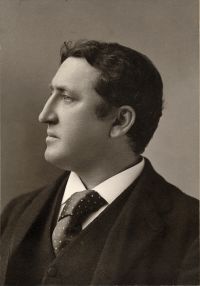
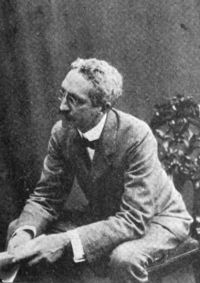
Stefan Zweig connects his character to the power of love as a means to understanding, and J. Comyns Carr underscores his transformation through innocence and hardship. These diverse viewpoints converge on Parsifal as a symbol of purity, redemption, and the enduring tension between human vulnerability and transcendence.
Quotes about “Parsifal”
H. A. Guerber, Stories of the Wagner Opera
“ As Parsifal now begins eagerly to question him, he mournfully relates that times have changed indeed. Amfortas still lives, and suffers untold tortures from his unhealed wound, but Titurel, the aged king, no longer quickened by the sight of the Holy Grail, (which has never again been unveiled since his unhappy visit,) has slowly passed away, and has closed his eyes in a last sleep. At these sad tidings Parsifal faints with remorse, and Gurnemanz and Kundry restore him with water from the holy spring, with which they also wash away all the soil of travel. ”
 Stefan Zweig,
Romain Rolland: The Man and His Work
Stefan Zweig,
Romain Rolland: The Man and His Work
“ The music of Parsifal seems to sound faintly through the work. We trace the lineaments of Parsifal himself in this monarch, to whom knowledge comes not through sympathy but through goodness, and who finds the aptest phrase to explain his own title to fame, saying: "Pour comprendre les autres, il ne faut qu'aimer"—To understand others, we need only love. ”