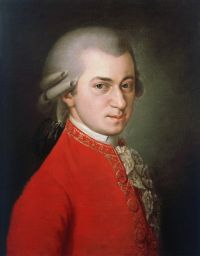
A libretto, derived from the Italian libretto (meaning "small book"), serves as the textual foundation of extended musical works such as operas, oratorios, and musicals, including lyrics, dialogue, and stage directions. Historically, librettists such as Metastasio and Lorenzo Da Ponte worked alongside composers like Mozart and Verdi, while others, such as Richard Wagner and Hector Berlioz, crafted their own texts to unify music and story.
The connection between composer and librettist has transformed, moving from independent authorship to close collaboration, reflecting changes in artistic values. Modern musicals frequently combine spoken dialogue with poetic verse, highlighting the libretto’s dual function as both narrative and musical core. This interaction between text and composition continues to be essential to the enduring appeal of operatic and theatrical productions.
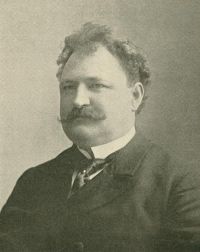 Henry Edward Krehbiel,
How to Listen to Music, 7th ed
Henry Edward Krehbiel,
How to Listen to Music, 7th ed