Summary

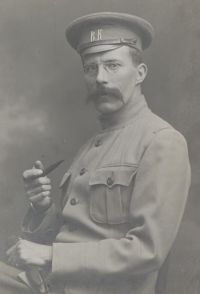
Portrait of Arthur Ransome Arthur Ransome,  Oscar Wilde, a Critical Study

“ Christ essayed the more difficult task of giving life itself the unity and the loveliness that another might have given stone or melody. And this beautiful and complete life, more moving in its completeness than that of any of the gods of Greece, who "in spite of the white and red of their fair fleet limbs were not really what they appeared to be," was at once a work of art and the life of an artist. Christ, Wilde saw, cared more for intensity than for magnificence, for the soul more than raiment. His teaching was not one of the refusal of experience, but of self-development. ”
Source: Gutenberg

Portrait of Arthur Ransome Arthur Ransome,  Oscar Wilde, a Critical Study

“ I think we have to learn that all fine literature is dramatic. No man pours from his mouth in any single speech all the roses and the vomit that would represent his soul. Men speak and hold their peace. They make and their hands are still. And many moods flit by while they are silent, and myriad souls agitate the blood in the veins of those motionless hands. The artist is he who, remembering this mood or that, can hold it fast and maintain it long enough for the making of a work of art. ”
Source: Gutenberg

Portrait of Arthur Ransome Arthur Ransome,  Oscar Wilde, a Critical Study

“ A talker is like an actor. It is only possible to say, he was wonderful on such an evening, or on such another, and, as time goes on and this becomes matter of hearsay, why, it is as if his achievement had never been. For the flowers of his talk bloom only in dead men's memories, and have been buried with their skulls.
Wilde's talk is gone, but its effects remain in the conversational ease of his prose, and in the mental attitude that his writings perpetuate. The talker is, almost of necessity, a dilettante, a man who delights in, but is not the slave of, his subject of the moment.
”
Source: Gutenberg

Get perspective with Kwize: daily news enlightened by great literature