“ This dark depression attracted Manuel somehow or other, with its rubbish heaps, its gloomy hovels, its comical, dismantled merry-go-round, its swings, and its ground that held so many surprises, for a rough, ordinary pot burgeoned from its depths as easily as a lady's elegant perfume phial; the rubber bulb of a prosaic syringe grew side by side with the satin, scented sheet of a love letter.This rough, humble life, sustained by the detritus of a refined, vicious existence; this almost savage career in the suburbs of a metropolis, filled Manuel with enthusiasm. ”
Pío Baroja
Biographical details
.jpg)
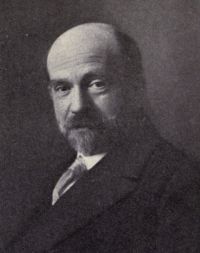
Pío Baroja y Nessi (1872–1956), a key figure of Spain’s Generation of '98, was a writer whose works embody pessimism and picaresque realism, delving into themes of existential futility, social exclusion, and the human condition. Born in San Sebastián, he gave up a short medical career to pursue literature, creating vivid depictions of Basque rural life in his Tierra vasca trilogy and the harsh realities of Madrid’s slums in La lucha por la vida.
His novels, such as El árbol de la ciencia and Memorias de un hombre de acción, combine stark realism with philosophical reflection, revealing his anarchist tendencies and critique of institutional authority. Baroja’s impact reached beyond Spain, influencing figures like John Dos Passos and Ernest Hemingway, while his unflinching narratives and unique prose remain essential to understanding early 20th-century Spanish literature.
Quotes by Pío Baroja
“ Cæsar would walk on by the winding road, and stop to look at the Cemetery of San Martín on the right, with its black cypresses and its yellowish walls. Then he would follow the twists of the Canalillo, and pass in front of the third Reservoir, to the Amaniel road. That was where Cæsar would have built himself a house, had he had the idea of living retired. The dry, hard landscape was the kind he liked. The mornings were wonderful, the blue sky radiant, the air limpid and thin. The twilight had an extraordinary enchantment. ”
 Pío Baroja,
The city of the discreet
Pío Baroja,
The city of the discreet
“ Although he visited every pawn shop and second-hand dealer in the plaza, Quentin failed to find the jewel-case. Somewhat dazed by the sun and the noise, he stopped and leaned against a column for a moment. It was a babel of shouts and voices and songs—of a thousand sounds. The hardware dealers struck horse-shoes with their hammers in a queer sort of rhythm; the knife-grinders whistled on their flutes; the vendor of medicinal herbs emitted a melancholy cry; the pine-nut seller shouted like a madman: “Boys and girls, weep for pine-nuts!” ”

