Summary

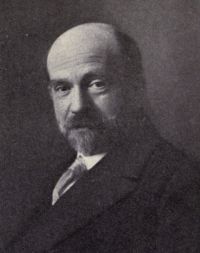
Portrait of Pío Baroja Pío Baroja The city of the discreet

Quentin knocked, and, as no one answered, he walked in.
Señora Patrocinio!” he cried.
“Who is it?” came from above.
“A man who comes to ask for something.”
“Well, we give nothing here.”
“I am Quentin.”
“Ah! It’s you? Come in and wait for me.”
“What beautiful confidence!” said Quentin, seating himself in the vestibule, which was nearly in darkness.
Just then he heard footsteps upon the stairs, and a woman veiled in a black mantilla descended with Señora Patrocinio.
Source: Gutenberg

Portrait of Pío Baroja Pío Baroja The city of the discreet

Although he visited every pawn shop and second-hand dealer in the plaza, Quentin failed to find the jewel-case. Somewhat dazed by the sun and the noise, he stopped and leaned against a column for a moment. It was a babel of shouts and voices and songs—of a thousand sounds. The hardware dealers struck horse-shoes with their hammers in a queer sort of rhythm; the knife-grinders whistled on their flutes; the vendor of medicinal herbs emitted a melancholy cry; the pine-nut seller shouted like a madman: “Boys and girls, weep for pine-nuts!”
Source: Gutenberg

Portrait of Pío Baroja Pío Baroja The city of the discreet

You stay with me, Quentin, for I want to talk to you.”
Again Pacheco climbed to the box, clucked to the horses, and the carriage went on its way. It was beginning to clear up; here and there a patch of star-sprinkled sky appeared between the great, black clouds.
“He seems like a fine fellow,” said the Countess, who was now completely at her ease, when she and Quentin were alone.
“Do not deceive yourself; there are only two places where true gentlemen can be found: in the mountains, or in prison.”
Source: Gutenberg

Get perspective with Kwize: daily news enlightened by great literature