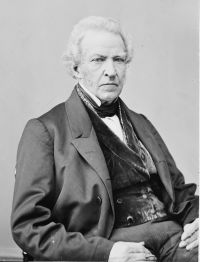
 James Moore Wayne,
United States v. Bank of the Metropolis…
James Moore Wayne,
United States v. Bank of the Metropolis…
“ That, and other cases like it, show how rigidly those principles have been applied in suits on bills and promissory notes, in which the United States was a party. The acceptance of Porter's draft was unconditional, and there is nothing in the evidence to discharge the acceptor. There is neither waiver, express or implied, of his liability. There was no understanding nor communication concerning it between the bank, and any officer of the post-office department, before it was discounted. The bank advanced the money, which it was the object of the bill to obtain. ”
