Absurdity, defined as the state of being unreasonable or meaningless, has long fascinated thinkers and artists alike. From Plato’s use of reductio ad absurdum to Camus’ existential reflection on the conflict between human meaning-seeking and a silent universe, the theme echoes across philosophy and literature.
Authors such as Albert Camus portray absurdity as a deep existential tension, while Robert Smythe Hichens highlights its artistic value, declaring “artistic absurdity… has a bright and glorious future.” George Eliot contrasts it with wit, observing how absurdity and vice influence human experience. These diverse viewpoints reveal absurdity as both a philosophical enigma and a creative resource, connecting the irrational with the profound.
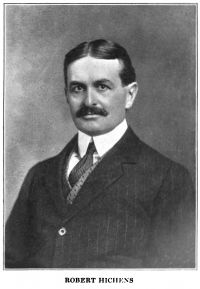 Robert Smythe Hichens,
The Green Carnation
(1894)
Robert Smythe Hichens,
The Green Carnation
(1894)