Observance

Definition and stakes

Henry Watson Fowler,  The King's English (1906)

“ Observance is obedience, compliance, &c. The Oxford Dictionary recognizes observance in the sense of watching, but gives no authority for it later than 1732 except another passage from Ruskin; the natural conclusion is that he accidentally failed to recognize a valuable differentiation long arrived at.
It is physical science, and experience, that man ought to consult in religion, morals, legislature, as well as in knowledge and the arts.—Morley.
”
Source: Wikisource

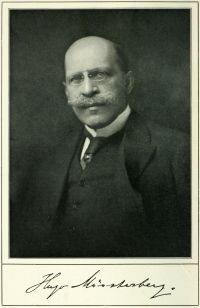
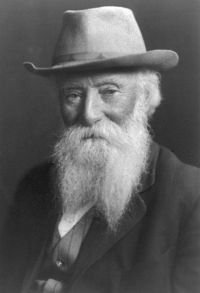
Portrait of Josiah Royce Josiah Royce,  The World and the Individual, Second Series (1901)

“ To turn our attention from certain facts, is to disregard differences of which we were before taking account. Now we are here speaking of attention, not as of a causally efficacious psychological process (for cause and effect concern us not yet) , but as of one aspect of that relative fulfilment of purpose in present consciousness of which I have all along spoken. That to which we attend interests us. In attending to a sound, to a color, to an abstract conception, we find our purpose in some degree fulfilled by the ignoring or observing of some specific likenesses and differences. ”
Source: Wikisource

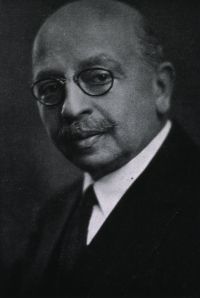
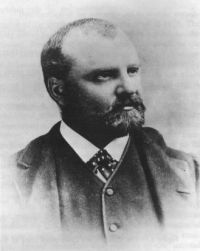
Portrait of George Wharton James George Wharton James,  Living the Radiant Life: A Personal Narrative

“ I have not put the most important first, but observation is the one man most relies upon.
1. Observation is God's method of filling up the [263] inner supply of man's knowledge through the senses. He sees, feels, hears, smells, tastes, and through these avenues receives mental impressions. One can observe the lower things or the higher. Every day as I ride on the train or street cars, I observe men reading their newspapers. As a rule I can tell in a few minutes what a man's mental hunger is by watching him read.
”
Source: Gutenberg

Get perspective with Kwize: daily news enlightened by great literature