“ The Trojans listened with breathless interest to all that Sinon said, and readily believed his story; so admirably well did he counterfeit, by his words and his demeanor, all the marks and tokens of honest sincerity in what he said of others, as well of grief and despair in respect to his own unhappy lot. The current of opinion which had begun before to set strongly in favor of destroying the horse, was wholly turned, and all began at once to look upon the colossal image as an object of sacred veneration, and to begin to form plans for transporting it within the limits of the city. ”
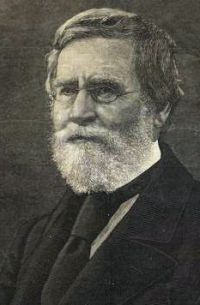
Jacob Abbott
Summary
Jacob Abbott’s Romulus is a historical narrative exploring the legendary founding of Rome, blending myth with early Roman history. Focused on figures such as Romulus, Remus, Æneas, and the Sabines, the text delves into themes of fate, leadership, and the conflict between personal initiative and divine influence.
It investigates the role of rituals, the Mediterranean as a cultural crossroads, and the symbolic importance of writing and sacred institutions such as the Vestal virgins. Through dramatic episodes—such as the Trojans’ fateful choice to honor the wooden horse—Abbott highlights the interaction between human decisions and inescapable destiny, portraying Rome’s origins as a crucible of struggle and unity.
Quotes from Romulus (Jacob Abbott)
“ She stopped him, took him by the hand, urged him to restrain his useless anger, and calmed and quieted him with soothing words. "It is not Helen," said she, "that has caused the destruction of Troy. It is through the irresistible and irrevocable decrees of the gods that the city has fallen. It is useless for you to struggle against inevitable destiny, or to attempt to take vengeance on mere human means and instrumentalities. Think no more of Helen. ”
“ No walls can be so high, that an enemy can not scale them. The dependence must be after all on the men within the city, and not on the ramparts and entrenchments which surround it, whatever those ramparts and entrenchments may be. We must therefore rely upon ourselves, for our safety—upon our valor, our discipline, our union and harmony. It is courage and energy in the people, not strength in outward defenses, on which the safety and prosperity of a State must depend. ”
