Summary

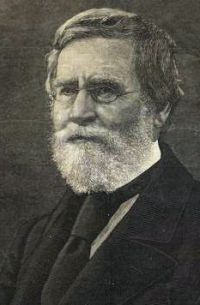
Portrait of Jacob Abbott Jacob Abbott William the Conqueror

It was this feeling, probably, quite as much as any settled hostility to William's right to reign, that made his barons so eager to engage in insurrections and rebellions. There was, however, after all, a real and deep-seated opposition to William's right of succession, founded in the ideas of the day. They could not well endure that one of so humble and even ignominious birth, on the mother's side, should be the heir of so illustrious a line as the great dukes of Normandy. William's enemies were accustomed to designate him by opprobrious epithets, derived from the circumstances of his birth.
Source: Gutenberg

Portrait of Jacob Abbott Jacob Abbott William the Conqueror

To make a pilgrimage to the Holy Land was a romantic achievement that covered whoever accomplished it with a sort of sombre glory, which, in the case of a prince or potentate, mingled with, and hallowed and exalted, his military renown. Robert determined on making the pilgrimage. It was a distant and dangerous journey. In fact, the difficulties and dangers of the way were perhaps what chiefly imparted to the enterprise its romance, and gave it its charms.
Source: Gutenberg

Portrait of Jacob Abbott Jacob Abbott William the Conqueror

Thus the hope of surprising William was disappointed. Harold found, too, by his spies, as he drew near, to his utter dismay, that William's forces were four times as numerous as his own. It would, of course, be madness for him to think of attacking an enemy in his intrenchments with such an inferior force. The only alternative left him was either to retreat, or else to take some strong position and fortify himself there, in the hope of being able to resist the invaders and arrest their advance, though he was not strong enough to attack them.
Source: Gutenberg

Get perspective with Kwize: daily news enlightened by great literature