“ With the Conquest, Normandy began to sink in importance; as in the case of a mother who has brought forth a son, destined to wield power and occupy positions far beyond her capacity, she herself took a secondary place. To be the independent King of England was grander than to be Duke of Normandy subject to the kings of France, and it needed but a generation or two to make the English forget the fact of their being conquered, and to look upon Normandy as a appanage of the English crown. ”
Duke of Normandy
Definition and stakes
The title "Duke of Normandy" refers to the rulers of the medieval Duchy of Normandy, which was founded in 911 when Viking leader Rollo was granted land by King Charles the Simple. Although the duchy was absorbed by France in 1204, the title continued to be used symbolically, particularly by British monarchs who ruled the Channel Islands.
Historians such as G.E. Mitton emphasize its reduced significance after the Norman Conquest, while Elbridge S. Brooks describes William’s early challenges as Duke. Charles Homer Haskins highlights Normandy’s role as a crucial base for English governance. Even after the loss of territory, the title remains as a symbol of Norman authority and royal heritage.
Quotes about “Duke of Normandy”
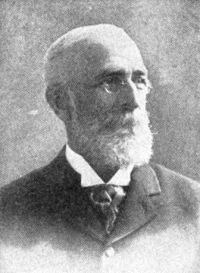 Elbridge S. Brooks,
Historic Boys: Their Endeavours…
Elbridge S. Brooks,
Historic Boys: Their Endeavours…
“ Castles were besieged, cities sacked, and fertile fields laid waste; and in that northern section of France known as the Duchy of Normandy the clash and crush of conflict raged the fiercest around the person of one brave-hearted but sorely troubled little man of twelve—William, Lord of Rouen, of the Hiesmos and of Falaise, and Duke of Normandy.Left an orphan at eight by the death of his famous father—whom men called Robert the Magnificent before his face and Robert the Devil behind his back—the boyhood of the young duke had been full of danger and distress. ”
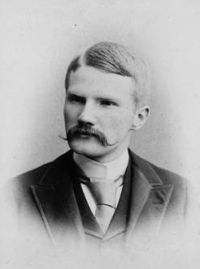 Charles Homer Haskins,
The Normans in European History
(1915)
Charles Homer Haskins,
The Normans in European History
(1915)
“ Only because the duke was strong at home could he hope to be strong abroad, only because he was master of an extraordinarily vigorous, coherent, and well-organized state in Normandy could he attempt the at first sight impossible task of conquering a kingdom and the still greater task of organizing it under a firm government. We must take account, not only of the weakness of England, but also of the strength of Normandy, stronger than any of its continental neighbors, stronger even than royalty itself. ”


Related terms
Authors who wrote about “Duke of Normandy”
Charles W. DavidCharles Homer Haskins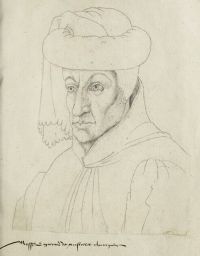 Enguerrand de Monstrelet
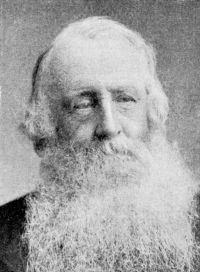 Edward A. Freeman
 Sarah Orne Jewett
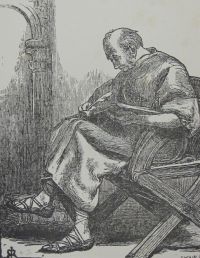 WaceF. M. StentonKate Norgate
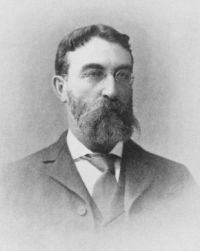 George Burton Adams
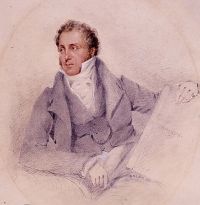 John Sell Cotman
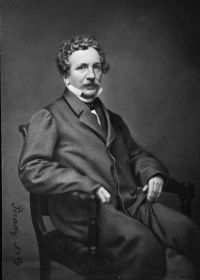 G. P. R. JamesCharles Creighton HazewellG. E. Mittonof Malmesbury William
 John CassellFlorence L. Bowman
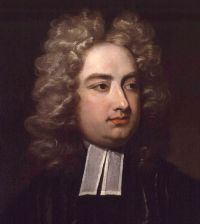 Jonathan SwiftEvelyn Everett-Green
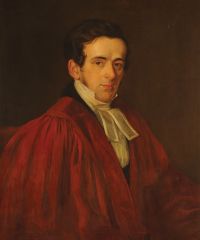 John Allen Giles
 Alexandre Dumas
Charles Homer HaskinsEnguerrand de MonstreletEdward A. FreemanSarah Orne JewettWaceF. M. StentonKate NorgateGeorge Burton AdamsJohn Sell CotmanG. P. R. JamesCharles Creighton HazewellG. E. Mittonof Malmesbury WilliamJohn CassellFlorence L. BowmanJonathan SwiftEvelyn Everett-GreenJohn Allen GilesAlexandre Dumas