“ King Richard the First is known in history as the lion-hearted, and well did he deserve the name. It is characteristic of the lion to be fierce, reckless, and cruel, intent only in pursuing the aims which his own lordly and impetuous appetites and passions demand, without the least regard to any rights of others that he may trample under foot, or to the sufferings that he may inflict on the innocent and helpless. This was Richard's character precisely, and he was proud of it. His glory consisted in his reckless and brutal ferocity. ”
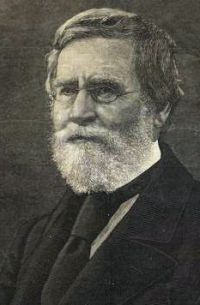
Jacob Abbott
Summary
Jacob Abbott’s Richard I chronicles the reign of Richard the Lionheart, a medieval monarch whose ferocity and ambition shaped his rule. Centering on his military endeavors in the Holy Land and clashes with Saracen leaders such as Saladin, the work delves into themes of chivalric competition, monarchical authority, and the disorder within Crusader forces. At the heart of the narrative are Richard’s strained relationships—with his queen Berengaria, his brother Philip, and the volatile interactions among knights striving for power.
Abbott’s depiction highlights the king’s audacious courage and the ethical complexities of his decisions, weaving historical facts with rich portrayals of courtly existence and battle. The text ultimately portrays Richard as a figure whose legendary heroism conceals a shrewd pragmatism, defining his legacy as both a celebrated warrior and a divisive ruler.
Quotes from Richard I (Jacob Abbott)
“ There was particularly a great quarrel at this time about the title of King of Jerusalem. It was a mere empty title, for Jerusalem was in the hands of the Saracens, but there were twenty very powerful and influential claimants to it, each of whom manœuvred and intrigued incessantly with all the other knights and commanders in the army to gain partisans to his side. Thus the camp of the Crusaders, from one cause and another, had become one universal scene of rivalry, jealousy, and discord.A common danger makes a common cause. ”
“ One of the historians of the time gives a curious account of the appearance of the king and the court in their excursions. "When the king sets out of a morning, you see multitudes of people running up and down as if they were distracted—horses rushing against horses, carriages overturning carriages, players, gamesters, cooks, confectioners, morrice-dancers, barbers, courtezans, and parasites—making so much noise, and, in a word, such an intolerable tumultuous jumble of horse and foot, that you can imagine the great abyss hath opened and poured forth all its inhabitants." ”
