Summary

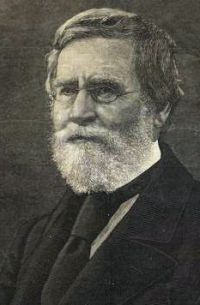
Portrait of Jacob Abbott Jacob Abbott Stuyvesant: A Franconia Story

But then I only did it for fun.”
“Was the fun for yourself or for Dorothy?” asked Wallace.
“Why, for me,” said Phonny.
“And it made only trouble for Dorothy,” said Wallace.
“Yes,” said Phonny, “I suppose it did.”
“That is the kind of boyishness I mean,” said Wallace, “getting fun for yourself at other people’s expense; and so making them dislike you, and feel sorry when they see you coming, and glad when you go away.”
Source: Gutenberg

Portrait of Jacob Abbott Jacob Abbott Stuyvesant: A Franconia Story

Phonny was in an ecstacy of delight. Stuyvesant was much more quiet, but he seemed equally pleased. Beechnut said that he thought that they had better go away and leave the hen to herself, and that probably she would come off the nest, with her brood, that evening or the next morning.
“But stop,” said Beechnut, as he was going down the ladder. “It is important to ascertain whether they are eggs or chickens under the hen. For if they are eggs they are one third your property, and if they are chickens, they are all mine.”
Source: Gutenberg

Portrait of Jacob Abbott Jacob Abbott Stuyvesant: A Franconia Story

Henry.
“Why, mother?” asked Phonny.
“Because I think it is a dangerous tool. I think it is a very dangerous tool indeed.”
“Oh no, mother,” said Phonny, “there is no danger.”
“You might be holding a piece of wood in your hand,” said Mrs. Henry, “and then in trying to chop it with your hatchet, hit your hand instead of the wood. There is great danger when you strike a blow with a sharp instrument.”
“Oh no, mother,” said Phonny. “There is not any danger. I have had my hatchet a long time and I never have cut myself but once.”
Source: Gutenberg

Get perspective with Kwize: daily news enlightened by great literature