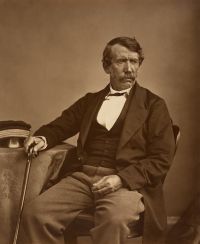
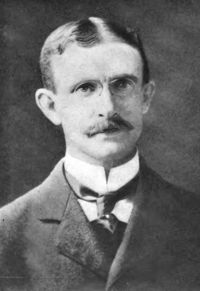
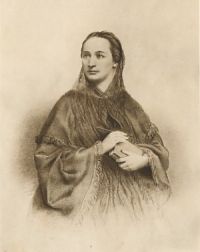
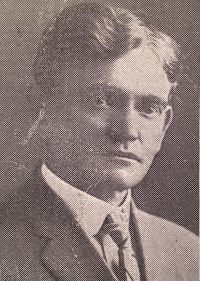
Oxen, castrated adult male cattle trained for draft work, have played a crucial role in human labor and agriculture. From D.H. Lawrence’s vivid depictions of their “slow, swaying” movements to Fanny Fern’s portrayal of their “patient” toil under harsh conditions, writers have long emphasized their physicality and symbolic significance.
Texts range from the mythological, as in Sagas from the Far East, where oxen represent divine or chaotic forces, to the practical descriptions of their use in plowing or hauling, as noted by William Ross King. These diverse narratives highlight oxen’s dual role as both working animals and cultural symbols, connecting utility and metaphor across literary traditions. Their continued presence in stories reflects their historical importance to human survival and labor.
 D. H. Lawrence,
../../../
(1926)
D. H. Lawrence,
../../../
(1926)