Henna

Definition and stakes

George Gordon, Lord Byron,  Don Juan — Canto the Third (1824)

“ For those large black eyes were so blackly fringed,
The glossy rebels mock'd the jetty stain,
And in their native beauty stood avenged:
Her nails were touch'd with henna; but again
The power of art was turn'd to nothing, for
They could not look more rosy than before.
LXXVI
The henna should be deeply dyed to make
The skin relieved appear more fairly fair;
She had no need of this, day ne'er will break
On mountain tops more heavenly white than her:
The eye might doubt if it were well awake,
She was so like a vision
”
Source: Wikisource

Edward B. Pollard,  Oriental Women

“ The use of henna is very old; and when the woman has finished the work of art--she herself being the subject--she looks, as one has said, like a vampire stained with the blood of its victim. The flower of Alhenna, however, is beautiful and strongly fragrant--reminding one in appearance of clusters of many-colored grapes. ”
Source: Gutenberg

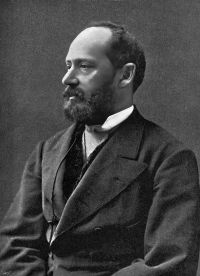
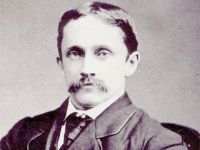
Portrait of C. R. Conder C. R. Conder,  Tent Work in Palestine: A Record of Discovery and Adventure

“ The use of henna is common to men and women alike. Henna is a sign of rejoicing, and is not worn in mourning. At a marriage, the tails of the horses and the doors of the house are coloured with it, as well as the faces and hands of the guests. Women colour the nails, the finger-joints, and the palms of the hands. A little henna has rather a pretty effect, being a sort of orange-red in colour. ”
Source: Gutenberg

Get perspective with Kwize: daily news enlightened by great literature