Summary

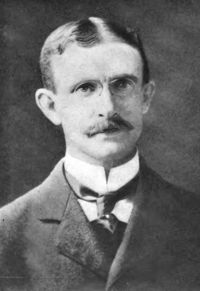
Portrait of Edwin Asa Dix Edwin Asa Dix,  A Midsummer Drive Through the Pyrenees

“ The carriage is moored, the horses are unshipped, wraps and overcoats speedily unladen and left in bond. The good women promise us the best of lunches on our return, and we are fairly afoot down the road toward the Bridge of Hell,—hearts and highway equally paved with good intentions. The sun is full but not oppressive, a breeze is stirring, and there is a flood of vitality, a buoyancy and light-heartedness, about these bright mountain mornings, as one strides on, "breathing the free air of unpunctuality," which animates to high deeds and heroic resolve. ”
Source: Gutenberg

Portrait of Edwin Asa Dix Edwin Asa Dix,  A Midsummer Drive Through the Pyrenees

“ It is a nineteenth-century sun that wakes us, after all, each morning, through the Gassion's broad windows. We can reconjure foregoing eras, but we do not have to live in them. The hat has outlawed the helmet; the clear call of the locomotive is unmistakably modern. Throughout Pau, in its life, its people, its social rubrics; in its streets, shops, hotels,—the thought is for the present age exclusively. The past is appraised chiefly at what it can do for the present. Business and society pursuits are not perceptibly saddened by memories of the bear-hunt at Rion or the dagger of Ravaillac. ”
Source: Gutenberg

Portrait of Edwin Asa Dix Edwin Asa Dix,  A Midsummer Drive Through the Pyrenees

“ We revolve an unhappy fact, as we ramble on along the brilliant Allée, this clear summer evening. We are no longer among the time-wealthy. With Barcelona and the Mediterranean in prospect, we cannot draw further in Luchon upon our reserve of days. The evening is flawless; the stars blaze overhead like the burst, of a rocket; the promise of the morrow is beyond doubt, and the Col d'Aspin is yet to be reconquered. We come back across the park to our pleasant rooms in the Richelieu; and a conclave ends in a summons to a livery-man and the order for carriages for a to-morrow's return to Bigorre. ”
Source: Gutenberg

Get perspective with Kwize: daily news enlightened by great literature