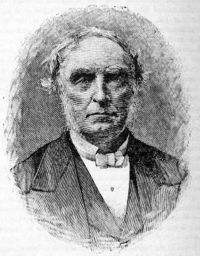
Mencius (372–289 BC), a Chinese Confucian philosopher revered as the "Second Sage," expanded upon Confucius’s teachings by contending that human nature is fundamentally virtuous and compassionate, a principle central to his dialogues with rulers and his seminal work, The Works of Mencius. His philosophy highlights learning, moral refinement, and the ethical duties of leadership, maintaining that fair policies promote social unity and personal integrity.
Through stories such as "Mencius’s mother moves three times" and critiques of Xunzi’s belief that human nature is inherently wicked, he emphasized the relationship between surroundings and moral growth. His writings, enshrined as Confucian classics, continue to serve as a cornerstone of neo-Confucian thought, blending ethical idealism with practical political guidance to cultivate a society rooted in morality.
.jpg)
 Mencius,
The Works of Mencius
(1872)
Mencius,
The Works of Mencius
(1872)