Émile Coué’s Self Mastery Through Conscious Autosuggestion (1920) examines the transformative power of focused mental activity in influencing physical and psychological well-being. Centering on themes of autosuggestion, imagination, and self-assurance, Coué contends that the unconscious mind, when guided by intentional affirmations, can address conditions such as neurasthenia and even disorders once considered untreatable.
His approach highlights the replacement of pessimistic thought patterns with optimistic statements, as demonstrated by stories of individuals who regained health through personal belief. The book portrays the mind as an instrument for self-recovery, maintaining that genuine progress emerges from inner certainty rather than external assistance.
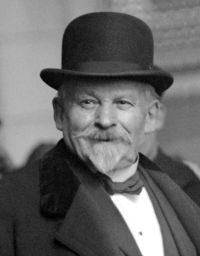 Emile Coué,
Self Mastery Through Conscious Autosuggestion
Emile Coué,
Self Mastery Through Conscious Autosuggestion
