Summary

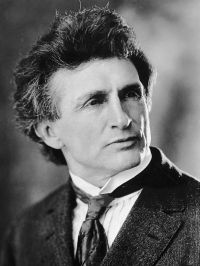
Portrait of Bernarr Macfadden Bernarr Macfadden Macfadden's Fasting, Hydropathy and Exercise (1900)

The more I study the question of nutrition in disease at the bedside of acute illness the more am I unable to comprehend the logic of giving the sick, and especially the very sick, a form of food that even in the most vigorous health cannot be borne, even for a single day, without a lowering of vital power; nay, that where even one meal of it cannot be put into the stomach of hunger without a clearly perceptible loss of power.
Source: Wikisource

Portrait of Bernarr Macfadden Bernarr Macfadden Macfadden's Fasting, Hydropathy and Exercise (1900)

Nor can drugs compensate the lack of Nature's specific. In the language of our instincts every feeling of discomfort suggests its own remedy. If the proximity of a glowing stove begins to roast your shins, the alarmed nerves cry out—not for patent ointments, not for anti-caustic liniments and "pain-killers," but for a lower temperature. Nothing else will permanently appease them. Millions of prisoners, school-children and factory-slaves, pine for lung-food as a starving man yearns for bread, and that hunger cannot be stilled with cough-pills, but only with fresh air.
Source: Wikisource

Portrait of Bernarr Macfadden Bernarr Macfadden Macfadden's Fasting, Hydropathy and Exercise (1900)

Washed, refreshed and dressed in cleanest linen, the freed man continued his journey rejoicing, but the contrast of misery and comfort can hardly have surpassed that of a dyspeptic before and after a fasting-cure. The relief of his overburdened stomach has given Nature a chance to expurgate all sorts of encumbrances: accumulated ingesta, vitiated humors and sixteen different kinds of pinching, gnawing and excavating microbes. He feels as if a burden of rags and parasites had been removed from his shoulders; he can continue the pilgrimage of life without a handicap
Source: Wikisource

Get perspective with Kwize: daily news enlightened by great literature