Autosuggestion, a psychological technique associated with the placebo effect, involves self-generated mental influence to shape thoughts, emotions, or behaviors, particularly through the conscious repetition of affirmations. Émile Coué, its pioneer, differentiated between intentional and spontaneous forms, underscoring the unconscious mind’s capacity to alter health and habits.
C. Harry Brooks examined its dual character—spontaneous and deliberate—emphasizing its role in reshaping perception and surmounting mental barriers. Synthesizing these viewpoints, autosuggestion appears as a bridge between conscious intention and subconscious transformation, illustrating both its therapeutic promise and the complex interplay between mind and will.
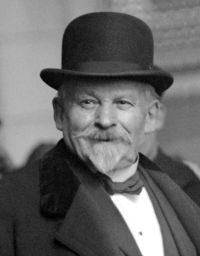 Emile Coué,
Self Mastery Through Conscious Autosuggestion
Emile Coué,
Self Mastery Through Conscious Autosuggestion
