Agnosticism

Definition and stakes

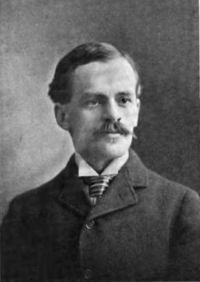
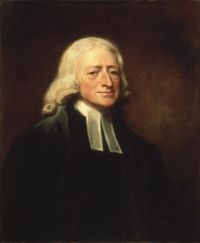
Portrait of Thomas Henry Huxley Thomas Henry Huxley,  Essays upon some Controverted Questions… (1892)

“ Supposing physical science to be non-existent, would not the agnostic principle, applied by the philologist and the historian, lead to exactly the same results? Is the modern more or less complete suspension of judgment as to the facts of the history of regal Rome, or the real origin of the Homeric poems, anything but agnosticism in history and in literature? And if so, how can agnosticism be the "mere negation of the physicist"?
"Agnosticism is a stage in the evolution of religion."
”
Source: Wikisource

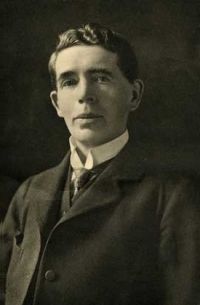
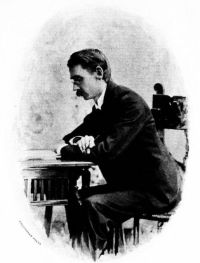
Portrait of Oscar Wilde Oscar Wilde,  De Profundis (1905)

“ And agnosticism should have its ritual no less than faith. It has sown its martyrs, it should reap its saints, and praise God daily for having hidden Himself from man. But whether it be faith or agnosticism, it must be nothing external to me. ”
Source: Gutenberg

Portrait of Alfred H. Lloyd Alfred H. Lloyd,  The will to doubt

“ With just this meaning, then, a meaning larger and deeper than that usual to positivism, the attitude of the agnostic is instrumental and teleological. Agnosticism simply endows the knower—must we not even put our conclusion so?—with a wider freedom than that of knowledge, and yet also makes his knowledge both share and serve the wider freedom that is given. ”
Source: Gutenberg

Get perspective with Kwize: daily news enlightened by great literature