Roman de la Rose

Definition and stakes

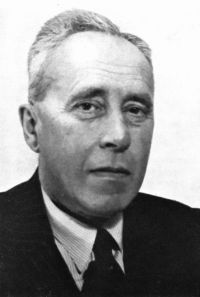
Portrait of Johan Huizinga Johan Huizinga The Waning of the Middle Ages (1924)

At the close Genius throws the taper into the besieged fortress; its flame sets the universe on fire. Venus also throws her torch; then Shame and Fear flee, the castle is taken, and Bel-Accueil allows the lover to pluck the rose.
Here, then, in the Roman de la Rose, the sexual motif is again placed in the centre of erotic poetry, but enveloped by symbolism and mystery and presented in the guise of saintliness. It is impossible to imagine a more deliberate defiance of the Christian ideal. The dream of love had taken a form as artistic as it was passionate.
Source: Wikisource

Portrait of Johan Huizinga Johan Huizinga The Waning of the Middle Ages (1924)

Only thus will it be capable of expressing all the different shadings of love, and of treating it equally from the sad and from the merry side. By introducing into love's domain the concepts of honour, courage, fidelity, and all the other elements of moral life, it will be of far greater æsthetic and ethical value. The Roman de la Rose, by combining the passionate character of its sensuous central theme with all the elaborate fancy of the system of courtly love, satisfied the needs of erotic expression of a whole age.
Source: Wikisource

Elizabeth Haig The floral symbolism of the great masters (1913)

GARLANDS OF ROSES ‘Let us crown ourselves with rose-buds,’80 cried the revellers in the Book of Wisdom, and at Roman feasts host and guests alike wore roses on their hair or in garlands round their necks.
So in the heavenly mansions, where life is a perpetual feast, unfading roses crown the elect. Wreaths of roses are the symbol of heavenly joy and are worn alike by angels and by the human souls who have entered bliss.
Source: Gutenberg

Get perspective with Kwize: daily news enlightened by great literature