Charles d'Orléans

Definition and stakes

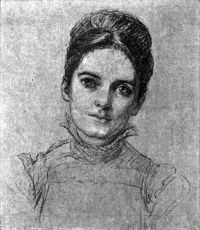
Portrait of Laura Elizabeth Howe Richards Laura Elizabeth Howe Richards Joan of Arc

Charles d'Orléans.
April was come, and the end seemed near, when whispers began to creep about. A bird [Pg 80] of the air carried the matter, a wind of the forest breathed it. Help was coming. A marvel had come to light: a holy Maid (or an accursed witch: it depended on which camp you were in!) had arisen, had visited the Dauphin at Chinon: was coming to rescue Orleans from its besiegers. Like wildfire the rumor spread. Brave Dunois listened, and his heart beat faster, recalling the prophecy. "France lost by a woman shall be saved by a woman!"
Source: Gutenberg

Portrait of George Saintsbury George Saintsbury 1911 Encyclopædia Britannica, Volume 20… (1911)

The chronology of these poems is not always clear, still less the identity of the persons to whom they are addressed, and it is certain that some, perhaps the greater part of them, belong to the later years of the poet’s life. But many are expressly stated in the manuscripts to have been “composed in prison,” others are obviously so composed, and, on the whole, there is in them a remarkable unity of literary flavour. Charles d’Orléans is not distinguished by any extraordinary strength of passion or originality of character
Source: Wikisource

Pierce Butler Women of Mediæval France

As the wretched Charles, in his disgraceful costume, was trying to fulfil the part of a satyr indeed by teasing and exchanging coarse jests with the young Duchess of Berri, Louis d'Orléans came into the room. Wishing to discover who it was so disguised--we refuse to credit the account which says he acted in mere heedless desire to see what would happen--he held a torch too near one of the tow-clad gallants. In an instant the whole five unhappy victims of folly were in a blaze. "Save the King! save the King!"
Source: Gutenberg

Get perspective with Kwize: daily news enlightened by great literature