“ Thy love renders thee impatient and disturbed. With such sincerity hast thou placed thy head at her feet that thou art oblivious to the world.When in the eyes of thy beloved riches count not, gold and dust are as one to thee.Thou sayest that she dwelleth in thine eyes—if they be closed, she is in thy mind.If she demand thy life, thou dost place it in her hand; if she place a sword upon thy head, thou holdest it forward.When earthly love produces such confusion and such obedience demands, dost thou wonder if travellers of the road of God remain engulfed in the Ocean of Reality? ”
Sadi
Biographical details
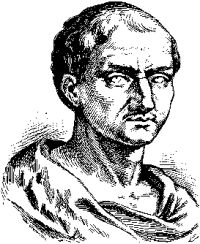
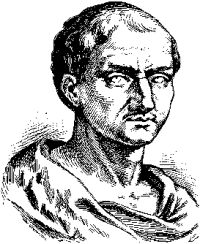
Sadi, a preeminent figure in Persian literature, is celebrated for his profound moral and philosophical reflections, most notably in The Bustan of Sadi. His works explore themes of human vulnerability, ethical behavior, and the fleeting nature of life, blending lyrical beauty with instructional purpose.
Through parables and verses, he critiques injustice, promotes kindness, and highlights the impermanence of worldly existence. His influence resonates with contemporaries like Amir Khusraw Dihlavi, reflecting a shared dedication to spiritual and social insight. Sadi’s legacy endures as a bridge between poetic artistry and moral inquiry.
Quotes by Sadi
Sadi, The Persian Literature, Comprising The Shah Nameh…
“ XVI Show no mercy to a subdued foe, for if he recover himself he will show you no mercy:—When thou seest thy antagonist in a reduced state, curl not thy whiskers at him in contempt, for in every bone there is marrow, and within every jacket there is a man.XVII Whoever puts a wicked man to death delivers mankind from his mischief, and the wretch himself from God's vengeance:—Beneficence is praiseworthy; yet thou shouldst not administer a balsam to the wound of the wicked. Knew he not who took compassion on a snake, that it is the pest of the sons of Adam. ”
“ For a year my heart has bled through thine oppression. How can I forget that in one hour? But I forgive thee, good man, for thy gain has caused to me no loss. Thou hast built thy house; my wisdom and knowledge have increased. I, too, possess a slave, and frequently set him to arduous labour. Nevermore, when I remember the hardships of my toil, will I afflict him.”He who has not suffered at the hands of the strong grieves not at the frailness of the weak.If thou be sorrowed by those above thee, be not harsh with thine inferiors. ”