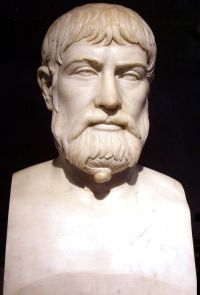
Pindar

Definition and stakes

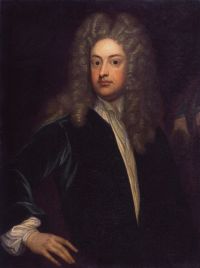
Portrait of Pindar Pindar,  Odes of Pindar (1868)

“ I have ventured to call Pindar the most genuine of the early Greek poets; and in the sense, that his extant works have come down to us on the whole less tampered with and less modernised than any others, I think this is true. In reading Pindar, we feel a well-founded confidence that we have before us the very words of one who lived at a known time and place. In Pindar too we have a poet sui generis. Standing widely apart from,—we can hardly say between,—the epic on one side and the dramatic on the other,—the lyric poetry of Pindar has the impress of a peculiar and quite unique genius. ”
Source: Wikisource

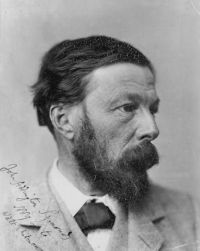
Portrait of John Addington Symonds John Addington Symonds,  Studies of the Greek Poets (Vol 1 of 2…

“ In his isolation and elevation Pindar stands like some fabled heaven-aspiring peak, conspicuous from afar, girdled at the base with ice and snow, beaten by winds, wreathed round with steam and vapor, jutting a sharp and dazzling outline into cold blue ether. Few things that have life dare to visit him at his grand altitude. Glorious with sunlight and with stars, touched by rise and set of day with splendor, he shines when other lesser heights are dulled. ”
Source: Gutenberg

Francis David Morice,  Pindar (1879)

“ Pindar's doctrine is more cheerful, and more unselfish. He sees that the leaves fall, but he remembers that the tree will bud again. The individual aspirant to fame may fail, but the poet consoles him with the hope that he may live again in his descendants, and triumph in the reflected glories of their successes. ”
Source: Wikisource

Get perspective with Kwize: daily news enlightened by great literature