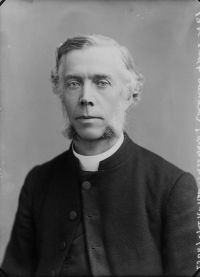
Francis David Morice

Biographical details

Francis David Morice,  Pindar (1879)

“ The poet gazes on it with awe and pity. No word of reproach escapes his lips. He cannot defend the cause in which the warriors fell; but he buries their fault in silence.
Amid the clouds and gloom which hung over Thebes, the result of her disgraceful union with, the enemies of Greece, one ray of light appears to console the patriotic poet. He dwells with eagerness on the sympathy, resting partly on national traditions, partly on community of interests, and not least, perhaps, on common fear and dislike of Athens, which, after the Persian troubles, grew up between Thebes and Sparta.
”
Source: Wikisource

Francis David Morice,  Pindar (1879)

“ How could they excite in a poet those deep and genuine emotions of which true poetry is the expression, and which in other ages have been awakened only by great national triumphs and reverses, or by circumstances of absorbing personal interest, the crash of empires or of creeds, the throes of political and religious and moral convulsions in nations or in individuals, the fervours of religion, the raptures and the torments of love? ”
Source: Wikisource

Francis David Morice,  Pindar (1879)

“ It opens with magnificent compliments to Arcesilas and Cyrenè; it proceeds to set forth in the most vivid and picturesque form a series of heroic legends recalling all the proudest memories of the house of Battus; it sketches a noble ideal of the true hero-king, and finds in Arcesilas the realisation of that ideal, the physician of his state, the restorer of times which are out of joint, the creator of that civil order which a fool can disturb, but which a wise man only can birng into being. ”
Source: Wikisource

Get perspective with Kwize: daily news enlightened by great literature