Teutonic

Definition and stakes

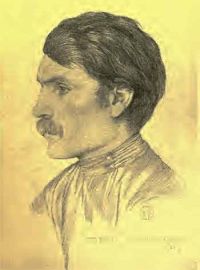
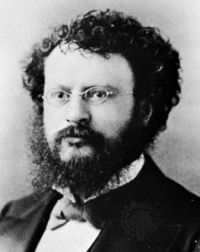
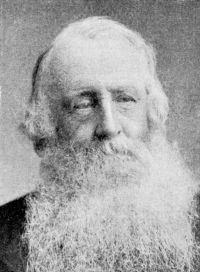
Portrait of Elihu Burritt Elihu Burritt,  Walks in the Black Country and its Green Border-Land… (1868)

“ How many heims and hams the different families of the Teutonic race have planted in England and all over Germany and Scandinavia! No word in all the classic languages of the old world ever had such living power as, this Teutonic noun-heim, ham, or home. In all the history of the world not another such a word can be found that has moved the heart of so many millions. What a heim England has become to more millions than peopled the earth in Homer's day! ”
Source: Wikisource

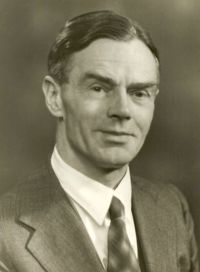
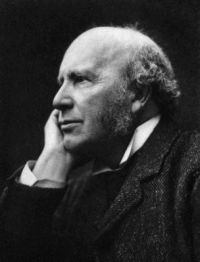
Portrait of Edward A. Freeman Edward A. Freeman,  The Historical Geography of Europe…

“ Our first glimpse of the Teutons shows them in their central German land, already occupying both sides of the Rhine, though seemingly not very old settlers on its left bank. The long wanderings of the various Teutonic and Slavonic tribes over all parts of central Europe, their settlements in the southern and western lands, are all matters of history. So is the great Teutonic settlement in the British islands, which partly exterminated, partly assimilated, their Celtic inhabitants, so as to leave them as mere a remnant, though a greater remnant, as they themselves had made the Basques. ”
Source: Gutenberg

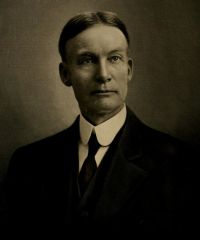
P. V. N. Myers,  General History for Colleges and High Schools

“ The Teutons loved personal freedom. They never called any man master, but followed their chosen leader as companions and equals. They could not even bear to have the houses of their villages set close together. And again we see the same independent spirit expressed in their assemblies of freemen, in which meetings, all matters of public interest were debated and decided. In this trait of the Teutonic disposition lay the germ of representative government and of Protestant, or Teutonic Christianity. ”
Source: Gutenberg

Get perspective with Kwize: daily news enlightened by great literature