Anglo-Saxon

Definition and stakes

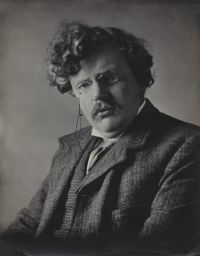
Portrait of Edison Marshall Edison Marshall,  Shepherds of the Wild (1922)

“ The Anglo-Saxon was never one to gather into cities. He knew the meadows, the forests, the feel of the earth through the handles of his plow, the sheep feeding on the hillside. When his land became too heavy with people—so that he could no longer see the sun breaking forth in glory to the east because of city spires that rose between—he was likely to set sail for the far places of the earth, still to watch the sheep as they fed at the edge of the forest. ”
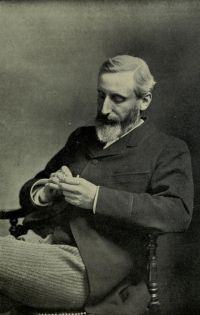
Source: Gutenberg

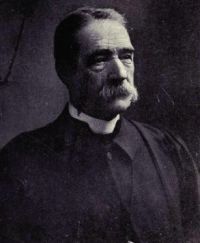
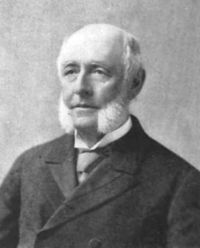
Portrait of Grant Allen Grant Allen,  Anglo-Saxon Britain

“ Thus the Anglo-Saxons, before the great exodus from Denmark and North Germany, appear as a race of fierce, cruel, and barbaric pagans, delighting in the sea, in slaughter, and in drink. They dwelt in little isolated communities, bound together internally by ties of blood, and uniting occasionally with others only for purposes of rapine. ”
Source: Gutenberg

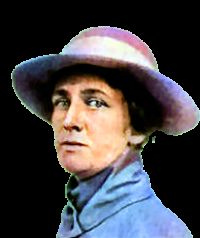
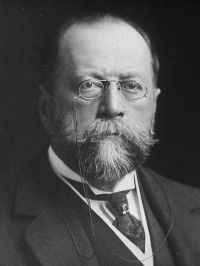
Mary Platt Parmele,  The Evolution of an Empire: A Brief Historical Sketch of England

“ Exterminating the Britons was diversified with efforts to exterminate one another. Seven kingdoms, four Anglian and three Saxon, for 300 years tried to annihilate each other; then, finally submitting to the strongest, united completely,—as only children of one household of nations can do. The Saxons had been for two centuries dominating more and more until the long struggle ended—behold, Anglo-Saxon England consolidated English under one Saxon king! ”
Source: Gutenberg

Get perspective with Kwize: daily news enlightened by great literature