Aromatic

Definition and stakes

George William Askinson,  Perfumes and Their Preparation

“ Every fragrant portion of a plant can be used for the preparation of an aromatic substance, and therefore for the manufacture of a perfume. Hence we are unable, in the following enumeration of the aromatic vegetable substances, to make any claim to absolute completeness; for every new scientific expedition may acquaint us with hitherto unknown plants from which the finest odors may be obtained. We have said above that we have not yet even fixed in our perfumes all the odors of the known aromatic plants, and therefore there is still a large field open to the progressive manufacturer. ”
Source: Gutenberg

Dan McKenzie,  Aromatics and the Soul: A Study of Smells

“ Nevertheless that certain persons exhale a naturally pleasant aroma from their bodies is true. Alexander the Great is noted by Plutarch as having so sweet an odour that his tunics were soaked with aromatic perfume, and taking a flying leap through the pages of history, we come to Walt Whitman, who had the same characteristic. Indeed, a piny aromatic odour, of considerable strength, is occasionally noticeable in certain people, and I can myself testify that it becomes stronger on the approach of their death. ”
Source: Gutenberg

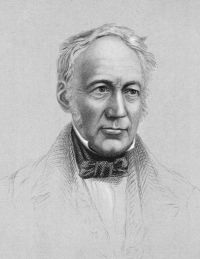
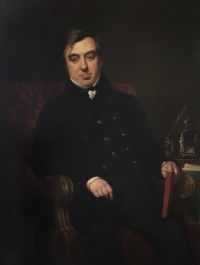
Portrait of John Ayrton Paris John Ayrton Paris,  Pharmacologia

“ How many substances does Nature produce in the vegetable kingdom, in which the permanent tonic quality of bitterness exerts its influence in union with the transient stimulating powers of an aromatic principle? indeed there is a series of vegetable remedies of this kind: commencing with those that are simply bitter, we gradually proceed through the different species, each blending as we advance an increasing proportion of aroma, until we arrive at those in which the aromatic quality greatly preponderates. ”
Source: Gutenberg

Get perspective with Kwize: daily news enlightened by great literature