Calamus

Definition and stakes

Chambers's Twentieth Century Dictionary…

“ Calamus, kal′a-mus, n. the traditional name of the sweet flag, which is no doubt the Calamus aromaticus of Roman authors, and probably the sweet calamus and sweet cane of Scripture, but not the fragrant lemon-grass of India: a genus of palms whose stems make canes or rattans: the reed pen used by the ancients in writing. [L.—Gr.]
Calash, ka-lash′, n. a light low-wheeled carriage with a folding top: a silk and whalebone hood worn by ladies to shade the face. [Fr. calèche; of Slav. origin, as Bohem. kolésa, Russ. koleso, a wheel.]
”

Source: Gutenberg

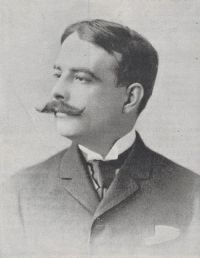
Portrait of David Nunes Carvalho David Nunes Carvalho,  Forty Centuries of Ink

“ The "calamus" followed the "brush," just as
phonographic writing which denotes arbitrary sounds or the language of symbols, came after the picture or ideographic writing.
The places where the calamus grew and the modes of preparing them are variously discussed by different ancient and modern writers. Some claim that the best reeds for pen purposes formerly grew near Memphis on the Nile, near Cnidus of Caria, in Asia Minor, and in Armenia. Those grown in Italy were estimated to have been of but poor quality.
”
Source: Gutenberg

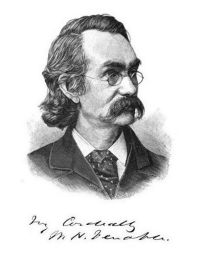
Portrait of William Henry Venable William Henry Venable,  A Dream of Empire; Or, The House of Blennerhassett

“ Then I thought, 'as like as not that woman is having more trouble down upon the island than I know anything about. So, true as calamus is sweet-flag, as soon as you was on your white horse, like the old lady of Banbury Cross, I was in my everyday skiff, and I didn't lose you out of my sight from the minute you started to the minute Peter and Ransom took you on the ferry—but I slid along where you couldn't spy me. ”
Source: Gutenberg

Get perspective with Kwize: daily news enlightened by great literature