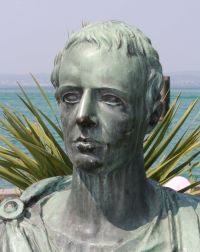
Catullus

Definition and stakes

R. W. Browne,  A History of Roman Classical Literature

“ Catullus certainly possessed great excellences and talents of the most alluring and captivating kind. No genius ever displayed itself under a greater variety of aspects. He has the playfulness and the petulance of a girl, the vivacity and simplicity of a child. He has never been surpassed in gracefulness, melody, and tenderness. No one, unless he possessed the coolness and self-command of a Cæsar, could have avoided wincing under the sharp attacks of his wit: he had passion and vehemence, but he had not the grandeur and sublimity either of Lucretius or Virgil. ”
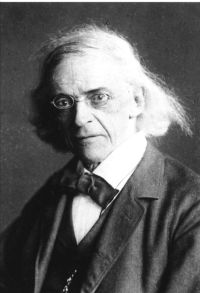
Source: Gutenberg

W. Y. Sellar,  The Roman Poets of the Republic…

“ The coarseness of Catullus is symptomatic rather of more recklessness than of greater corruption in society. Impurity is less destructive to human nature when it vents itself in bantering or virulent abuse, than when it clings to the imagination, associates itself with the sense of beauty, and expresses itself in the language of passion. Though, in his nobler poetry, Catullus is ardent and impassioned, he is much more free from this taint than Ovid or Propertius. ”
Source: Gutenberg

John Colin Dunlop,  History of Roman Literature from its Earliest Period to the Augustan Age…

“ If not perfectly dithyrambic, the numbers of the Atis of Catullus are, however, strongly expressive of distraction and enthusiasm. The violent bursts of passion are admirably aided by the irresistible torrent of words, and by the cadence of a measure powerfully denoting mental agony and remorse. In this production, now unexampled in every sense of the word, Catullus is no longer the light agreeable poet, who counted the kisses of his mistress, and called on the Cupids to lament her sparrow. ”
Source: Gutenberg

Get perspective with Kwize: daily news enlightened by great literature