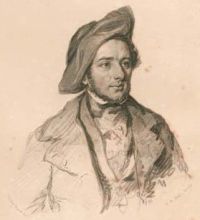
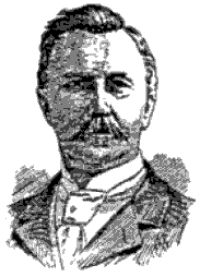
Garlic, a bulbous plant valued for its pungent flavor and culinary adaptability, has long held a complex place in literature and culture. From Perceval Gibbon’s moral metaphor—comparing garlic to an irreversible sin—to Harold MacGrath’s admiration for its rustic simplicity, writers have examined its dual role as both a modest ingredient and a symbol of profound human truths.
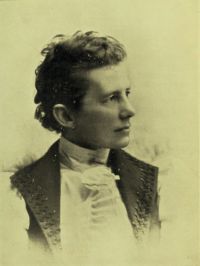
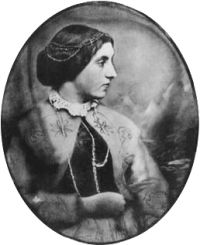
Catherine Owen challenges biased views, while Clarence Edwords contrasts its appropriate use with the risk of overindulgence. Botanical accounts, cultural analyses, and even folk stories, such as Ebenezer Cobham Brewer’s tale, highlight garlic’s lasting presence in narratives of taste, tradition, and change. Its legacy lies in its power to inspire both reverence and disgust, illustrating the intricate relationship between food and the human experience.
 Perceval Gibbon,
Vrouw Grobelaar and Her Leading Cases…
Perceval Gibbon,
Vrouw Grobelaar and Her Leading Cases…