Trapping, the use of devices to remotely capture animals, has long fulfilled purposes ranging from subsistence to wildlife management. From Neolithic hunters to modern conservationists, the practice reflects both human ingenuity and ethical challenges. Authors like W. Hamilton Gibson praised trapping as a skilled sport, highlighting its appeal and technical intricacy, while Mary Rogers Miller promoted its educational benefits, emphasizing responsible techniques to prevent ecological damage.
A. R. Harding outlined practical considerations, such as trap placement and upkeep, highlighting the balance between effectiveness and animal welfare. These viewpoints, along with historical and modern debates, illustrate trapping as a complex activity intertwined with cultural, economic, and environmental issues.
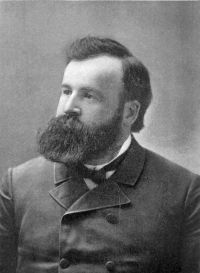 W. Hamilton Gibson,
Camp Life in the Woods and the Tricks of Trapping and Trap Making
W. Hamilton Gibson,
Camp Life in the Woods and the Tricks of Trapping and Trap Making