“ Now, as my goal was the hillock occupied by the 14th, I resolved to get there without taking any notice of the Cossacks, whom in thought I abolished. This plan answered perfectly. Lisette, lighter than a swallow and flying rather than running, devoured the intervening space, leaping the piles of dead men and horses, the ditches, the broken gun-carriages, the half-extinguished bivouac fires. Thousands of Cossacks swarmed over the plain. The first who saw me acted like sportsmen who, when beating, start a hare, and announce its presence to each other by shouts of "Your side! Your side!" ”
Cossacks
Definition and stakes
The Cossacks, known as semi-autonomous cavalrymen of the Russian steppe, represent a fusion of martial skill, cultural uniqueness, and historical intricacy. From Gogol’s stories of their zealous faith and battlefield intensity to Tolstoy’s portrayals of their rugged, unrefined daily existence, writers have long examined their dual nature as both fierce fighters and emblems of Russian identity.
Works by Kingston, Hayes, and others emphasize their unyielding spirit in battle, while Phelps honors their legendary vitality. These diverse depictions highlight the Cossacks’ lasting significance as figures of endurance and paradox in literature and history.
Quotes about “Cossacks”
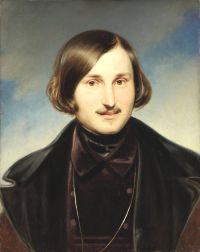 Nikolai Vasilevich Gogol,
Taras Bulba, and Other Tales
Nikolai Vasilevich Gogol,
Taras Bulba, and Other Tales
“ His unsparing fierceness and cruelty seemed exaggerated even to the Cossacks. His grey head dreamed of naught save fire and sword, and his utterances at the councils of war breathed only annihilation. It is useless to describe all the battles in which the Cossacks distinguished themselves, or the gradual courses of the campaign. All this is set down in the chronicles. It is well known what an army raised on Russian soil, for the orthodox faith, is like. There is no power stronger than faith. It is threatening and invincible like a rock, and rising amidst the stormy, ever-changing sea. ”
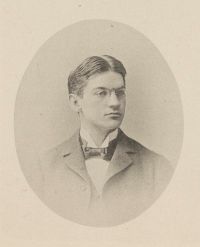 William Lyon Phelps,
Essays on Russian Novelists
William Lyon Phelps,
Essays on Russian Novelists
“ In this story the old Cossacks, centuries dead, have a genuine resurrection of the body. They appear before us in all their amazing vitality, their love of fighting, of eating and drinking, their intense patriotism, and their blazing devotion to their religious faith. Never was a book more plainly inspired by passion for race and native land. It is one tremendous shout of joy. These Cossacks are the veritable children of the steppes, and their vast passions, their Homeric laughter, their absolute recklessness in battle, are simply an expression of the boundless range of the mighty landscape. ”

Related terms
Authors who wrote about “Cossacks”
Nikolai Vasilevich GogolFedor Alexis Postnikov Adèle Hommaire de HellJohn MorseErckmann-Chatriangraf Leo Tolstoy
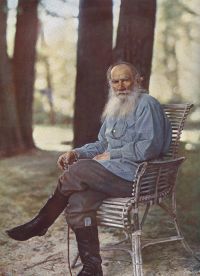 Leo TolstoyClair W. HayesVarious
 Stephen Graham
 Thomas Wallace KnoxRollo SpringfieldEdward Parrott
 William Henry Giles Kingston
 Frederick Ferdinand Moore
 George Chetwynd GriffithL. MühlbachHenry C. WatsonRenée Gaudin de Villaine Maud
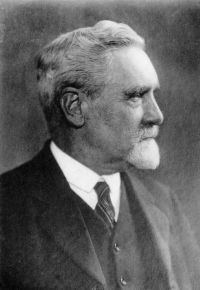 J. Holland Rose