“ With another growl, the old red fox sprang at the trespasser. The gray fox was a mile from his burrow, and knowing that the red fox could outpace him, decided to fight for his booty. With a quick flirt of his head, he tossed the rabbit into a near-by bush, and with bristling back awaited the attack.Walking stiff-legged like two dogs, and growling deep in their throats, the two came together, until they stood sidewise to each other, sparring for an opening. Finally, the old red fox snapped at the other’s foreleg, with a movement more like the slash of a wolf than the bite of a dog. ”
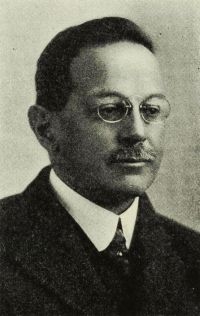
Samuel Scoville
Summary
Samuel Scoville’s Wild Folk is a vivid exploration of the animal kingdom’s raw, untamed world, focusing on the struggles and instincts of creatures like foxes, weasels, and chipmunks. Centered on characters such as Coon and Blackcross, the narrative delves into themes of survival, territorial conflict, and the delicate balance between predator and prey.
Through detailed, almost poetic descriptions of encounters—such as a fox’s fierce defense of its kill or a weasel’s silent hunt—Scoville portrays the harsh realities of nature, where every action is driven by hunger, fear, or the instinct to endure. The work captures the relentless, often brutal, rhythms of the wild.
Quotes from Wild Folk (Samuel Scoville)
“ Just before the little blind runner reached the bank, he encountered another wanderer, whom few of the smaller animals meet and live. It was that demon of the woods, the short-tailed weasel, going to and fro in the earth, seeking whom he might devour. Behind him, as always, was a trail of dead and dying animals. Into every hole large enough to admit his slim body, he wormed his way like a hunting snake, and passed, swift and silent as death itself, through brush-piles, hollow logs, and up and down trees, to peer into the round window of a woodpecker’s home or a squirrel’s nest. ”
“ To-day, as the shrew sniffed here and there, trying to locate trails which a weasel or a dog could have followed instantly, his quick ear caught some tiny sound from the near-by burrow of a meadow-mouse. With a curious pattering, burrowing run, unlike the leaps and bounds of the mice-people, he started unerringly toward a narrow opening almost hidden under an overhanging patch of yellow-green sphagnum moss. Disappearing down the tunnel, he dashed along furiously, while his long widespread whiskers gave him instant notice of the turns and twists of the tunnel, which he threaded at full speed. ”
