An era, a span of time defined by significant events, geological changes, or cultural milestones, provides a framework for organizing history, chronology, and natural processes. From geological periods to reigns and calendar systems, the concept reflects humanity’s effort to measure time through key benchmarks.
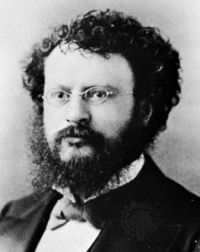
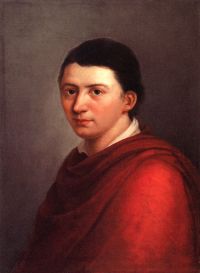
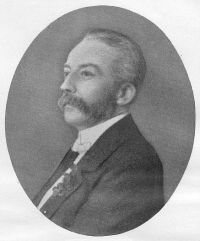
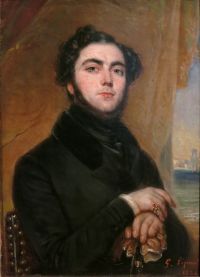
Authors like Emerson viewed eras as crucibles of transformation, while Haeckel associated them with the evolution of human culture. Froude and Brontë emphasized their recurring conflicts and hopeful beginnings, and Fiske described modernity as an "age of ideas." These viewpoints demonstrate that eras serve as dynamic frameworks for assessing change, continuity, and human aspirations across various fields.
 James Anthony Froude,
History of England
(1893)
James Anthony Froude,
History of England
(1893)