Luminosity denotes the total electromagnetic energy emitted by an object per unit time, serving as an absolute measure of radiant power. In astronomy, it quantifies a star’s or galaxy’s intrinsic brightness, distinct from apparent brightness, which depends on distance and absorption.
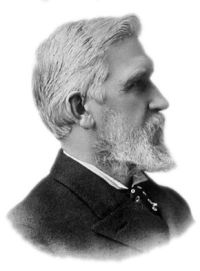
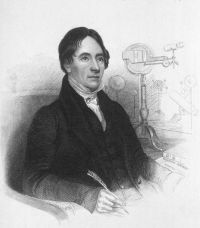
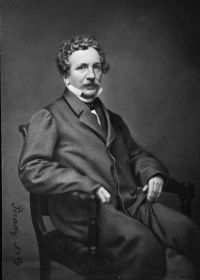
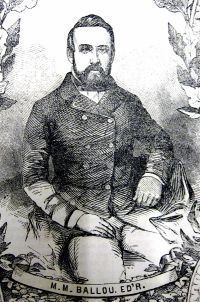
Authors like Eugene Field and Thomas Hardy evoked luminosity’s ethereal quality, contrasting celestial radiance with earthly darkness, while Ogden Nicholas Rood explored its role in color perception, linking it to brilliance and purity. These varied perspectives—from scientific precision to poetic metaphor—reveal luminosity as both a physical phenomenon and a symbolic beacon in literature.
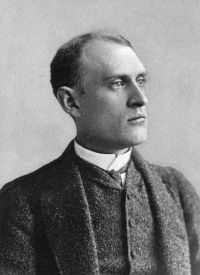 Eugene Field,
The Love Affairs of a Bibliomaniac
Eugene Field,
The Love Affairs of a Bibliomaniac