Marsyas

Definition and stakes

H. A. Guerber,  Myths of Greece and Rome

“ According to a previous arrangement,—that the victor should have the privilege of flaying his opponent alive,—Apollo bound Marsyas to a tree, and slew him cruelly. As soon as the mountain nymphs heard of their favorite’s sad death, they began to weep, and shed such torrents of tears, that they formed a new river, called Marsyas, in memory of the sweet musician. ”
Source: Gutenberg

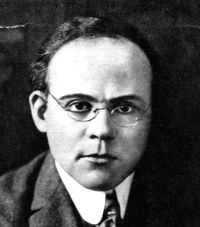
Portrait of Oscar Wilde Oscar Wilde,  De Profundis

“ When Marsyas was 'torn from the scabbard of his limbs' - DELLA VAGINA DELLA MEMBRE SUE, to use one of Dante's most terrible Tacitean phrases - he had no more song, the Greek said. Apollo had been victor. The lyre had vanquished the reed. But perhaps the Greeks were mistaken. I hear in much modern Art the cry of Marsyas. It is bitter in Baudelaire, sweet and plaintive in Lamartine, mystic in Verlaine. It is in the deferred resolutions of Chopin's music. It is in the discontent that haunts Burne- Jones's women. ”
Source: Wikisource

Petronius Arbiter,  The Satyricon — Complete

“ German scholars have adopted the doctrine that Marsyas belonged to that mythological group which they designate as “Schlauch-silen” or, as we would say in English, “Wineskin-bearing Silenuses.” Their hypothesis seems to be based upon the discovery of two beautiful bas-reliefs of the age of Vespasian, which were excavated near the Rostra Vetera in the Forum. Sir Theodore Martin has a note on these bas-reliefs which I quote in extenso:
“In the Forum stood a statue of Marsyas, Apollo’s ill-starred rival.
”
Source: Gutenberg

Get perspective with Kwize: daily news enlightened by great literature