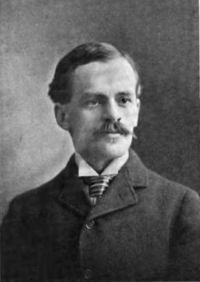
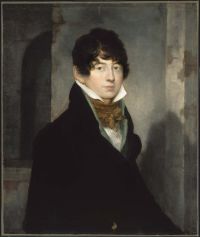
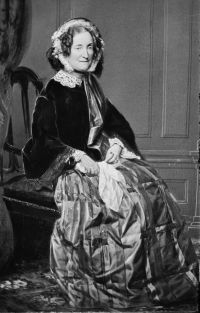
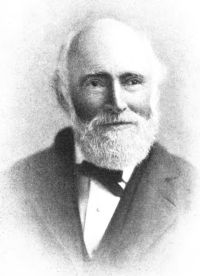
Contrast, the arrangement of opposing elements to emphasize differences, is a fundamental concept across various fields. Authors such as George Saintsbury highlighted its significance in literature and politics, while Edwin Gordon Lawrence investigated its persuasive force in oratory. Viscountess Marianne Margaret Compton Cust Alford associated it with artistic influence, and William James considered its implications for the mind.
Edmund Gosse pointed out its value in uncovering concealed similarities, and John Ruskin warned of its capacity to disrupt artistic balance. Bertrand Russell tied it to philosophical precision, underscoring the importance of clear comparisons. These diverse perspectives illustrate contrast's dual function—as both an analytical instrument and a means to foster deeper insight—connecting themes of harmony, opposition, and diversity.
 George Saintsbury,
Essays in English Literature, 1780-1860
George Saintsbury,
Essays in English Literature, 1780-1860