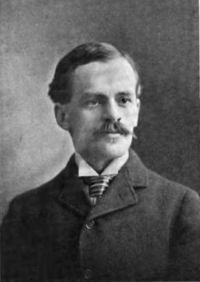
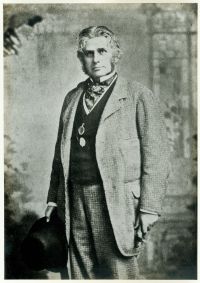
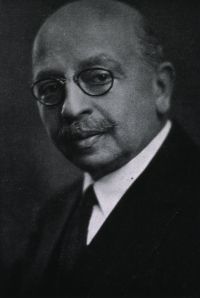
Analogy, a cognitive process of transferring information between domains, forms the basis of reasoning by identifying common relationships between distinct entities. From Aristotle’s logical frameworks to modern cognitive science, it has played a crucial role in connecting concrete and abstract realms. Bertrand Russell employed analogy to deduce the presence of consciousness in others, while William James emphasized its function in sudden conceptual shifts.
James John Garth Wilkinson described it as a "breadth of truth," illustrating parallels across the streams of existence. These diverse perspectives highlight analogy’s dual function: as a means of logical deduction and as a link between sensory experience and metaphysical inquiry, anchoring abstract ideas in concrete connections.