Seam

Definition and stakes

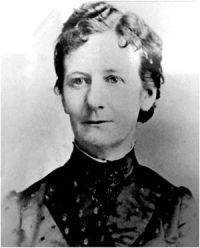
Viscountess Marianne Margaret Compton Cust Alford,  Needlework As Art

“ For absolute necessity, in forming the garments and covering the tent, needlework need go no further than the seam. This, however, in the woven or plaited material, must fray where it is shaped, and become fringed at the edges. Every long seam is a suggestion, and every shaped edge a snare.
The fringe lends itself to the tassel, and the shaped seam suggests a pattern; up-stitches are needed for binding the web, and before she is aware of it, the worker finds herself adorning, embroidering; and the craft enters the outskirts of the region of art.
”
Source: Gutenberg

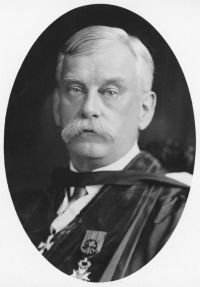
Anna M. Cooley,  Clothing and Health: An Elementary Textbook of Home Making

“ As nightdresses [87] are washed often, we must make our seams so that the edges will not pull out. Who can name other garments which are washed often? Who can tell what we can do to prevent edges from fraying? Yes, we might make small stitches, called overcasting, on the edge of a plain seam. There is another way, which we shall learn to-day. It is called a French seam. The French seam is sewed twice. The seam is basted as you have done, on the right side of the garment; seams are usually basted on the wrong side. Then, the seam is sewed close to the basting stitches. ”
Source: Gutenberg

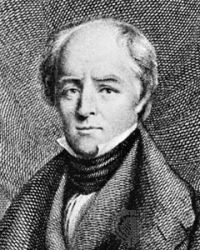
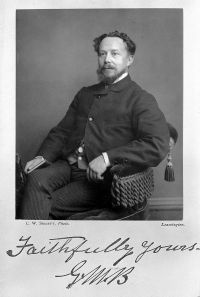
Portrait of George Matthews Bennett George Matthews Bennett,  Wanderings in New South Wales, Batavia… (1834)

“ There is a kind of seam along the centre, exactly under the stem of the leaf, from both sides of which long and tough fibres, about the size of a bristle, regularly diverge in an oblique direction; sometimes there appear to be two layers of fibres, which cross each other, and the whole is cemented with a still finer, fibrous, and adhesive substance. ”
Source: Gutenberg

Get perspective with Kwize: daily news enlightened by great literature